
10 Wonderfully Weird Creatures That Defy Explanation
From deep-sea oddities to desert-dwelling marvels, the natural world is home to 10 wonderfully weird creatures that defy explanation. These animals—like the star-nosed mole with its tentacled snout, the regenerating axolotl, or the nearly cartoonish dumbo octopus—challenge our understanding of evolution and survival. Whether it’s the alien-like aye-aye tapping for insects or the thorny devil lizard absorbing water through its skin, each of these creatures boasts bizarre adaptations that seem more suited to science fiction than real life. Their strangeness is not just fascinating—it’s a reminder of how wildly creative nature can be.
10. Glaucus Atlanticus or Blue Dragon (Ocean Surface)
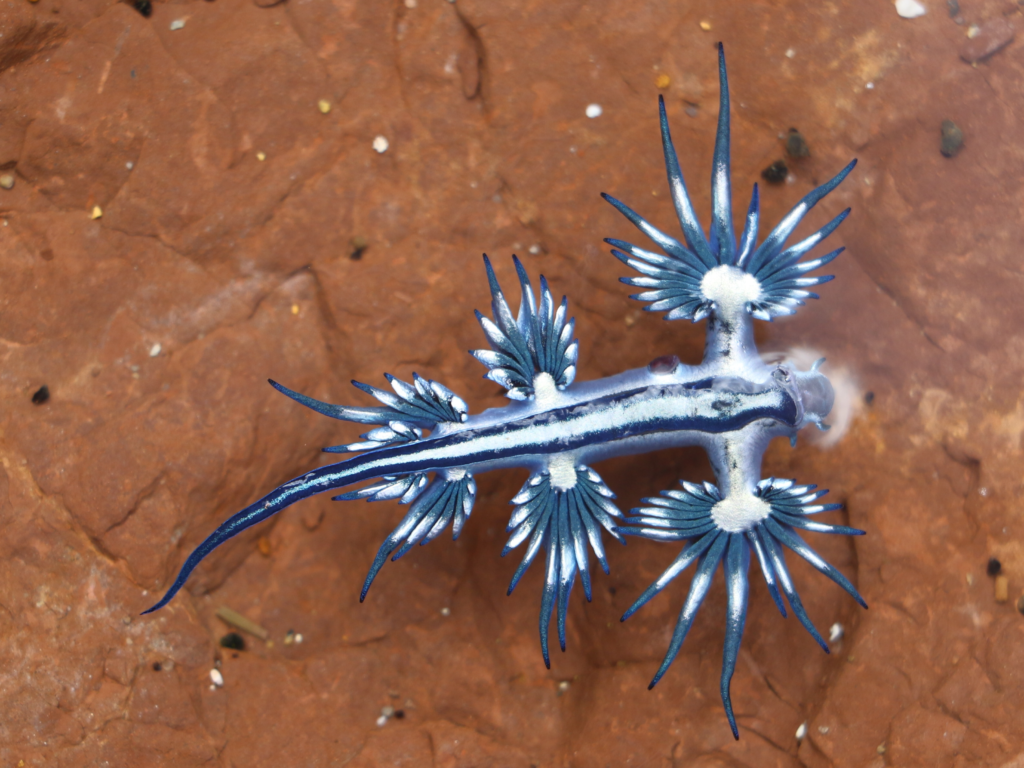
The Glaucus atlanticus, also known as the blue dragon, is a tiny but striking sea slug that looks more like a mythical creature than a real-life animal. Measuring only a few centimeters long, it floats upside down on the surface of the ocean, using air stored in its stomach for buoyancy. With its vibrant blue and silver coloring, it’s not just beautiful—it’s also dangerous. The blue dragon feeds on venomous prey like the Portuguese man o’ war and stores their toxins in its own body, delivering an even more potent sting to predators. Despite its delicate appearance, this tiny marine marvel is both fascinating and formidable.
9. Dumbo Octopus (Deep Ocean)
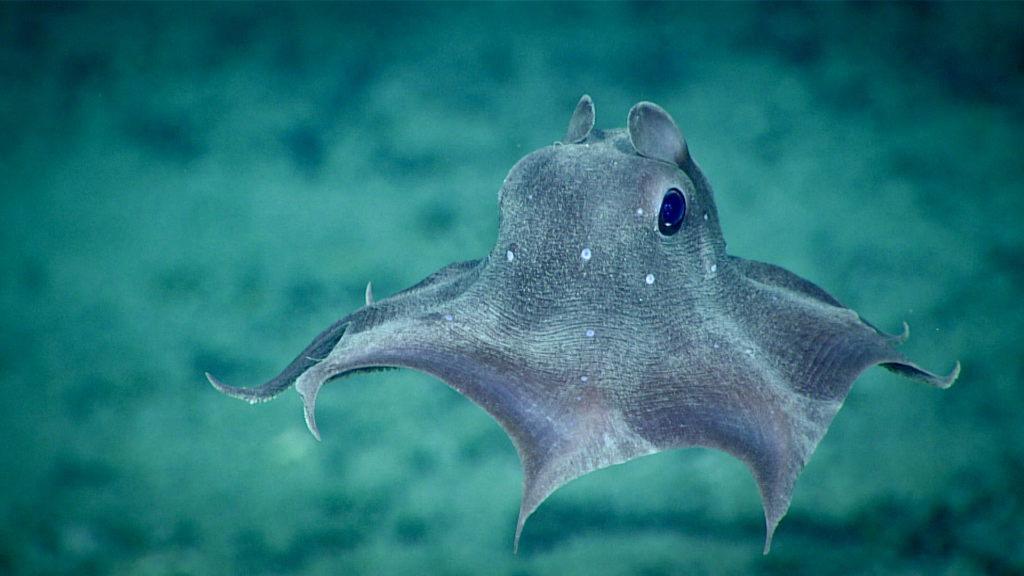
The Dumbo octopus is a deep-sea dweller named for the ear-like fins on either side of its head that resemble the oversized ears of Disney’s Dumbo. Found at extreme ocean depths, sometimes over 13,000 feet below the surface, this soft-bodied octopus glides gracefully through the dark waters with gentle flaps of its fins. Unlike most octopuses, it doesn’t squirt ink—there’s little need for defense in its deep, low-predator environment. With its translucent body, rounded head, and whimsical appearance, the Dumbo octopus is not only one of the ocean’s most adorable residents but also a symbol of how little we truly know about life in the deep sea.
8. Yeti Crab (Pacific Ocean)
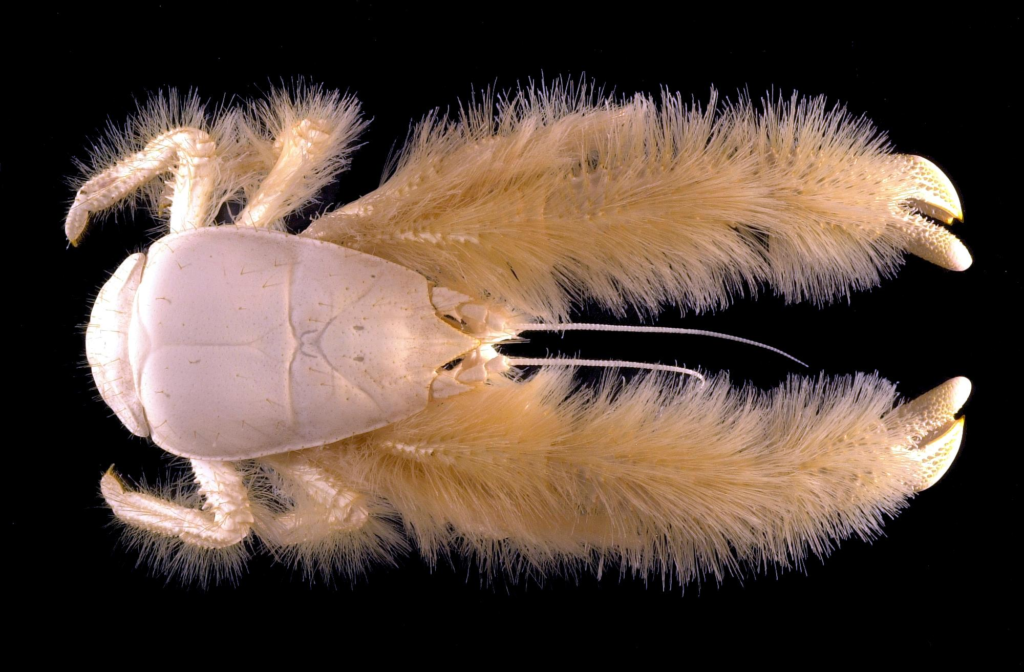
The Yeti crab, officially known as Kiwa hirsuta, is a deep-sea crustacean discovered in 2005 that earned its nickname thanks to its hairy, white claws that resemble the mythical Yeti’s fur-covered limbs. Found near hydrothermal vents in the South Pacific Ocean, this unique crab thrives in extreme environments where few creatures can survive. Its “hairy” pincers are actually covered in filamentous bacteria, which scientists believe help detoxify poisonous minerals from the water or may even serve as a food source. With its ghostly appearance and mysterious lifestyle, the Yeti crab remains one of the most bizarre and fascinating animals of the deep.
7. Thorny Devil (Australia)
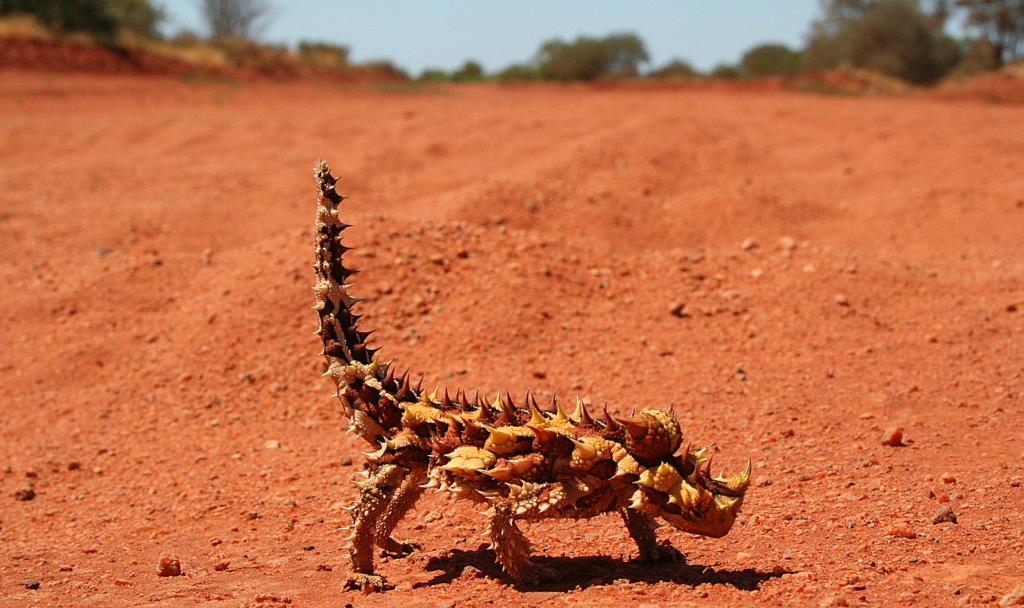
The thorny devil, also known as Moloch horridus, is a small, spiny lizard native to the arid deserts of Australia. Covered from head to tail in sharp, horn-like protrusions, this reptile’s intimidating appearance is all about defense—both from predators and the harsh environment. Despite its fierce look, the thorny devil feeds almost exclusively on ants, consuming thousands in a single day. One of its most remarkable adaptations is its ability to collect water through grooves in its skin, channeling moisture from rain or dew directly to its mouth. With its unique appearance and survival skills, the thorny devil is a true desert marvel.
6. Narwhal (Arctic Ocean)
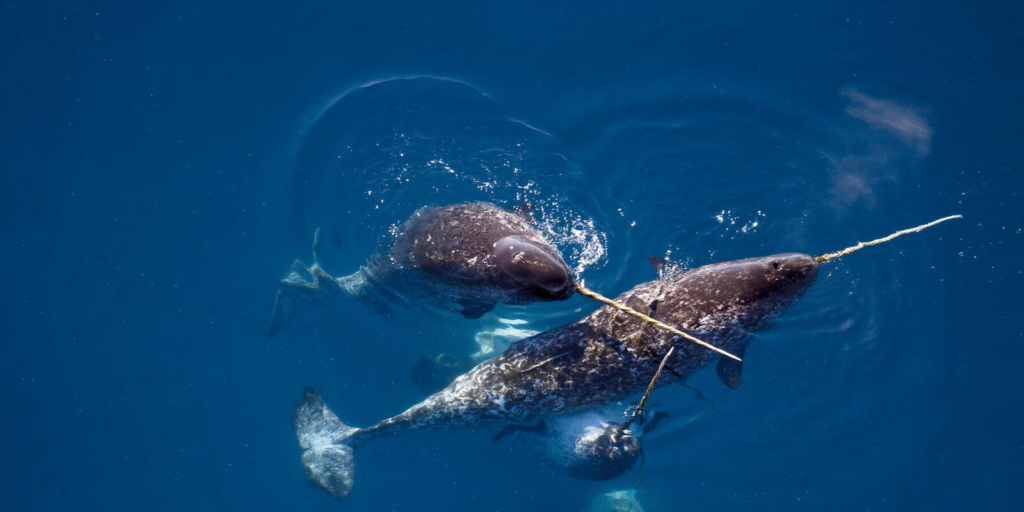
The narwhal, often called the “unicorn of the sea,” is a mysterious Arctic whale best known for the long, spiral tusk that projects from the head of males—actually an elongated tooth that can grow up to 10 feet long. This tusk, once thought to have magical properties, is now believed to play roles in mating rituals and sensory perception, as it contains millions of nerve endings. Narwhals live in the icy waters of the Arctic Ocean and are expert divers, capable of plunging more than a mile deep in search of fish and squid. With its mythical appearance and elusive nature, the narwhal remains one of the ocean’s most fascinating and enigmatic creatures.
5. Star-Nosed Mole (North America)
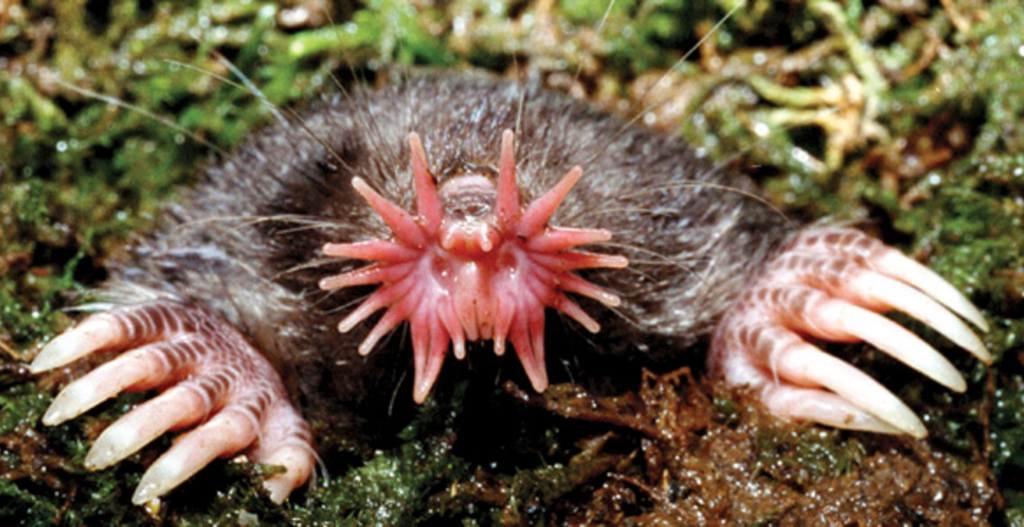
The star-nosed mole is a small, semi-aquatic mammal found in the wet lowlands of eastern North America, instantly recognizable by the 22 fleshy, pink tentacles radiating from its snout. These tentacles are highly sensitive touch organs that allow the mole to identify prey with astonishing speed—making it the fastest forager in the animal kingdom. Despite being nearly blind, it can detect and consume insects and small invertebrates in just milliseconds. Adapted to life both underground and underwater, the star-nosed mole uses its bizarre-looking nose like a high-speed sensor, turning what looks like a strange mutation into a finely tuned survival tool.
4. Saiga Antelope (Central Asia)

The saiga antelope is one of the most unusual-looking mammals on Earth, known for its large, bulbous, and downward-facing nose. Native to the grasslands and semi-deserts of Central Asia, this distinctive snout isn’t just for show—it helps filter out dust during the dry summer months and warms cold air in the winter. Saigas were once widespread, but their populations have declined drastically due to poaching and disease outbreaks, making them critically endangered. Despite their odd appearance, these antelopes are incredibly agile and fast, adapted for life on the open steppe. Conservation efforts are underway to protect this ancient and unique species from extinction.
3. Blobfish (Deep Ocean)
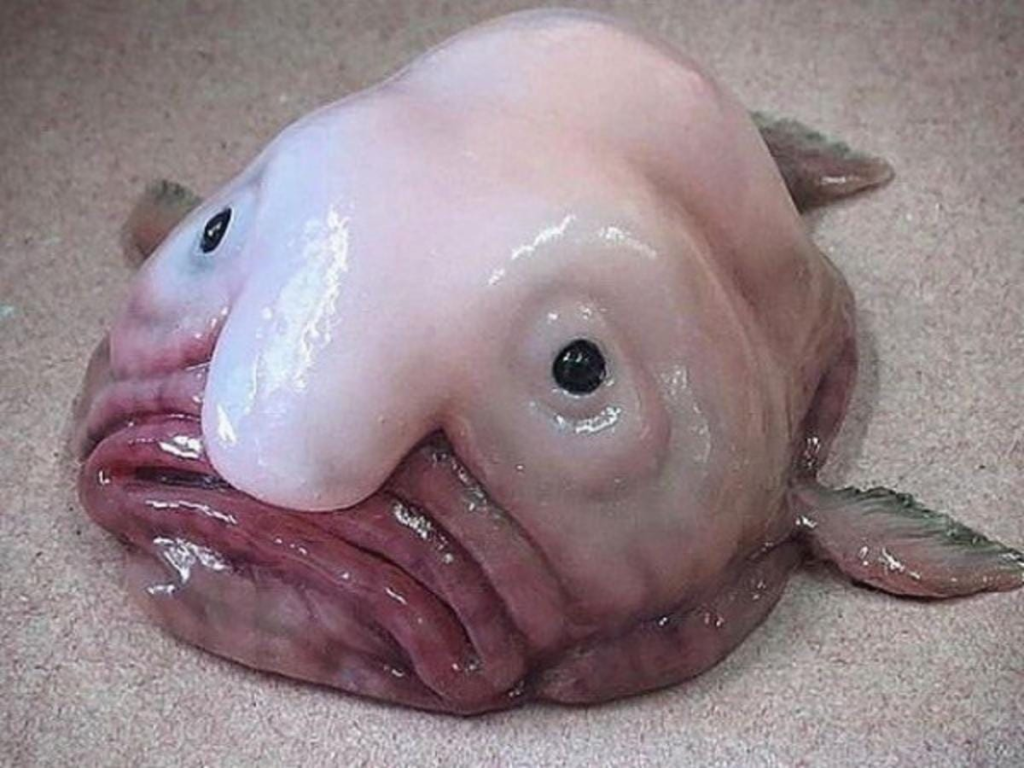
The blobfish has earned a reputation as one of the world’s ugliest animals, but its droopy, gelatinous appearance is actually the result of extreme adaptation. Found in the deep waters off the coasts of Australia and New Zealand, the blobfish lives at depths where pressure is dozens of times higher than at sea level. Its soft, squishy body helps it survive in these crushing conditions, as it lacks a swim bladder like most fish. Out of water, the blobfish appears like a saggy, melted version of itself—but in its natural habitat, it’s much more streamlined. Despite its looks, the blobfish is a fascinating example of deep-sea evolution.
2. Axolotl (Mexico)
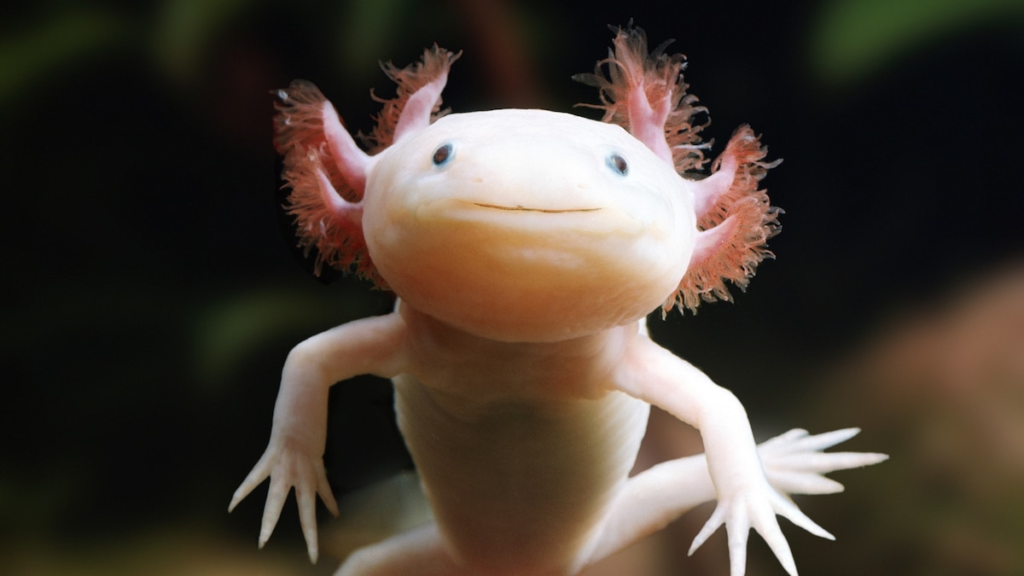
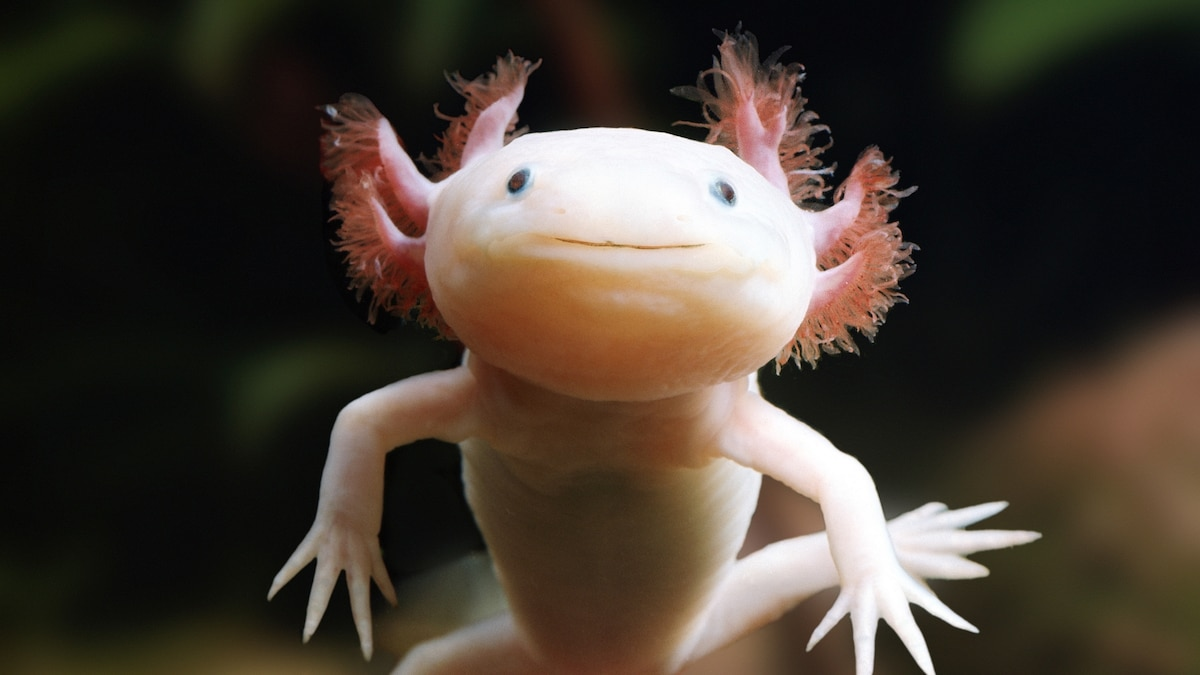
The axolotl is a fascinating amphibian native to Mexico, known for its unique ability to retain its larval features throughout its life, a trait called neoteny. Unlike most salamanders, axolotls remain aquatic and gilled, never undergoing full metamorphosis to become terrestrial. They are famous for their remarkable regenerative abilities, capable of regrowing limbs, spinal cord, and even parts of their heart and brain. Due to habitat loss and pollution, axolotls are critically endangered in the wild, but they are widely studied in laboratories and kept as exotic pets around the world.
1. Aye-Aye (Madagascar)
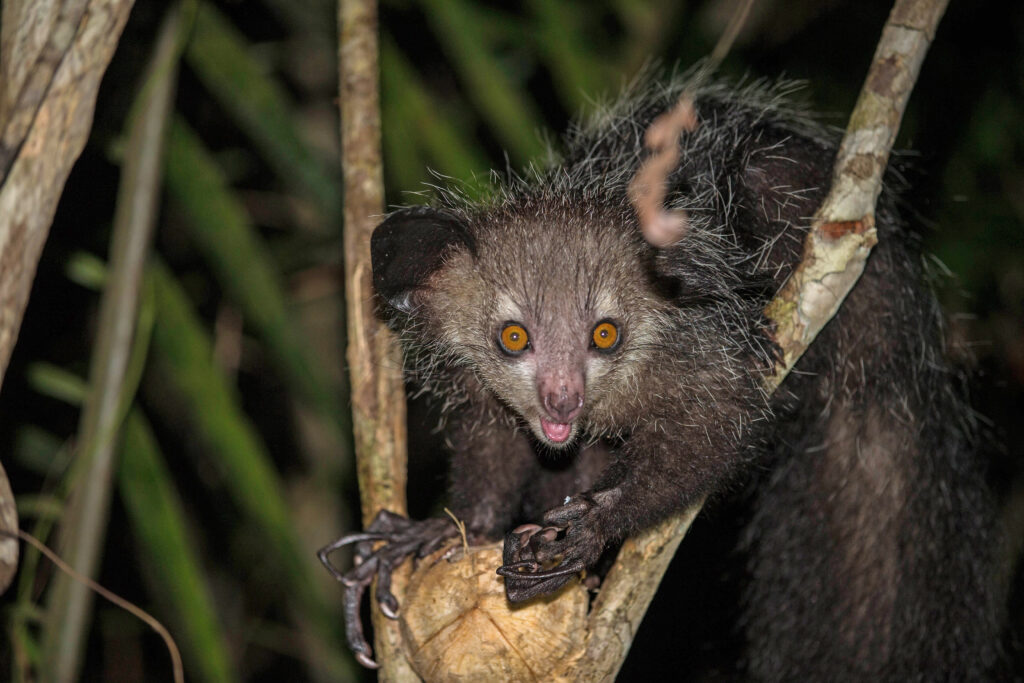
The aye-aye is a nocturnal primate native to Madagascar, known for its distinctive appearance and unusual feeding habits. It has large, round eyes, big ears, and a thin, elongated middle finger that it uses to tap on trees and extract insects from the bark, a method called percussive foraging. This unique finger helps the aye-aye find and eat wood-boring larvae, making it a specialized insectivore. Despite its important role in the ecosystem, the aye-aye is often misunderstood and feared by local people, contributing to its status as a rare and endangered species.