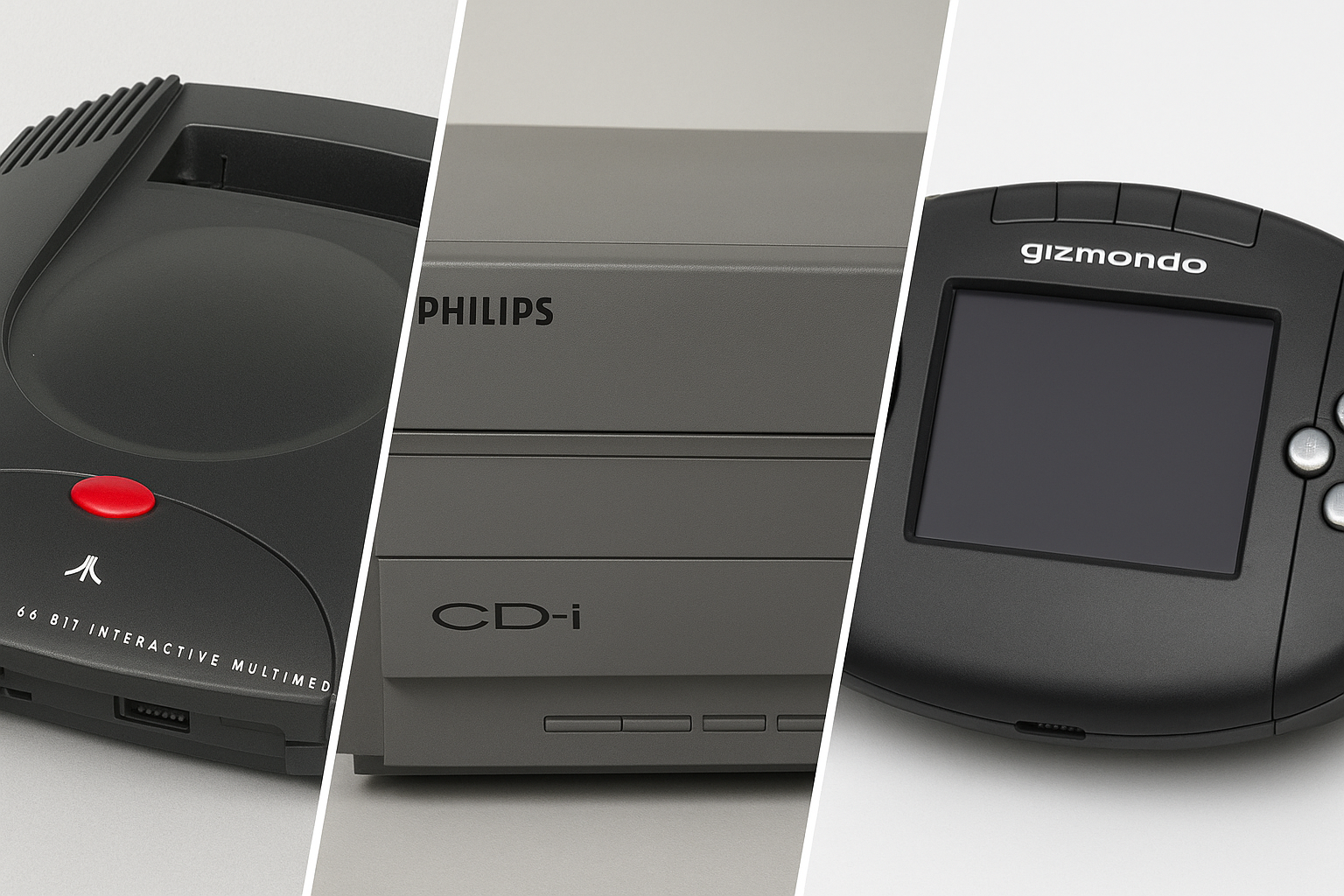
From Hype to Heartbreak: 10 Video Game Consoles That Failed Spectacularly
They promised to change gaming forever, but instead, they became cautionary tales. These consoles dazzled with innovation but crashed due to poor execution, pricing, or timing. Here’s a countdown of the 10 most memorable flops that remind us how even the most promising systems can fall flat.
10. Atari 5200 (1982)
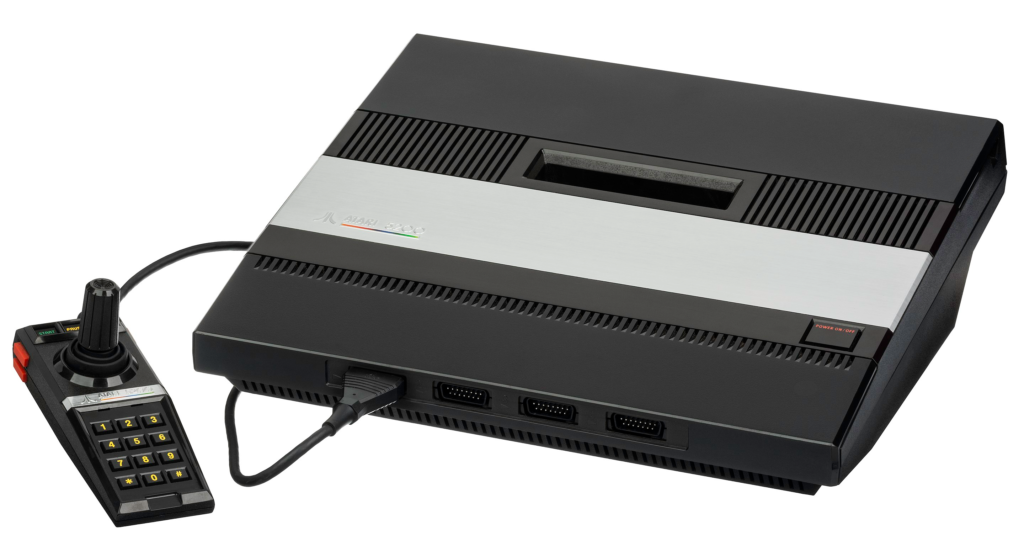
The Atari 5200, released in 1982, was Atari’s attempt to follow up the wildly successful Atari 2600 with a more advanced home console. However, it struggled due to several key issues: an incompatible cartridge system that alienated existing Atari 2600 owners, a notoriously unreliable and awkward controller, and stiff competition from other emerging consoles and home computers. Combined with poor timing during the video game market crash of the early 1980s, these factors led to disappointing sales and a short lifespan, making the 5200 one of Atari’s lesser successes.
Sales: 1,000,000
Best Game: Rescue on Fractalus! (Honorable Mention: Star Raiders, Defender, Ms. Pac-Man)
Worst Game: Galaxian
9. Amstrad GX4000 (1990)
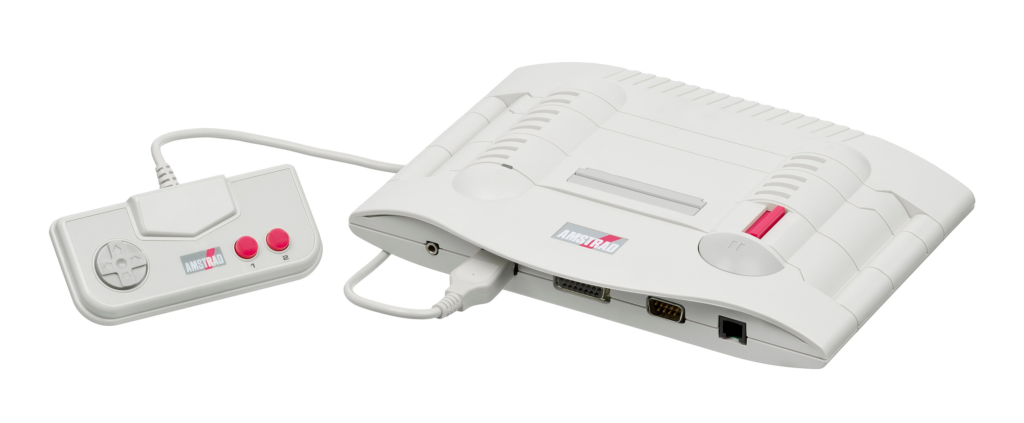
The Amstrad GX4000, released in 1990, was Amstrad’s attempt to enter the home console market with a system based on their popular CPC computer line. Despite leveraging existing hardware technology, the GX4000 suffered from outdated graphics and sound compared to competitors like the Sega Genesis and Super Nintendo. Its limited and uninspiring game library, combined with poor marketing and a rapidly shifting market, led to very low sales. As a result, the GX4000 was discontinued within a year and is remembered as one of the least successful consoles of its era.
Sales: 15,000
Best Game: Pang (Buster Bros.)
Worst Game: No Exit
8. Nokia N-Gage (2003)
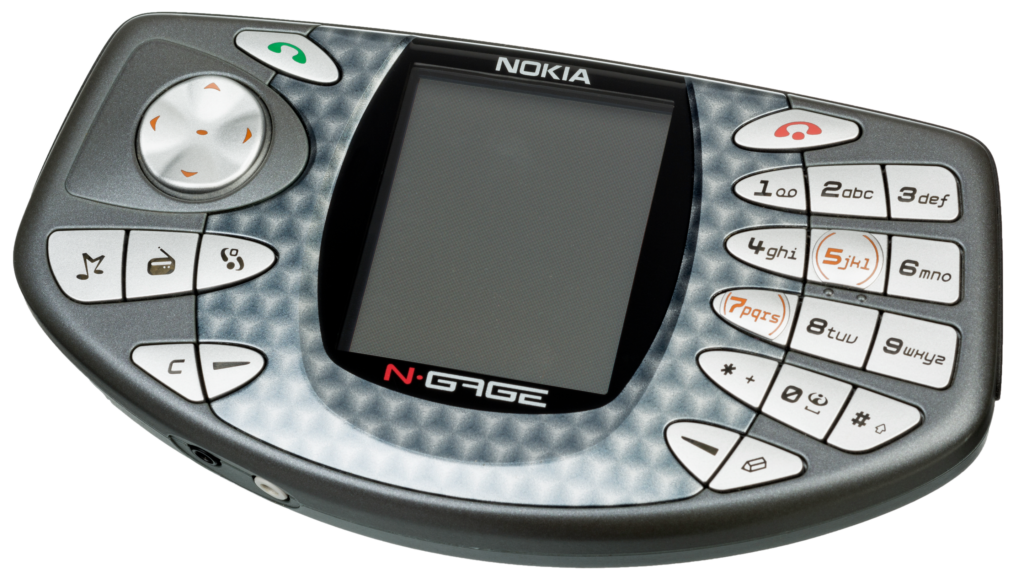
The Nokia N-Gage, released in 2003, was an ambitious hybrid device combining a mobile phone with a handheld gaming console. Despite its innovative concept, the N-Gage faced major design flaws, including an awkward shape that made phone calls uncomfortable and complicated game cartridge swapping. Its limited game library, lackluster performance, and strong competition from dedicated handhelds like the Game Boy Advance led to poor sales. Ultimately, the N-Gage failed to capture a significant audience and is remembered as a rare and costly misstep in mobile gaming history.
Sales: 2,000,000
Best Game: Pathway to Glory
Worst Game: WWE Aftershock (Dishonorable Mention: MotoGP, Puzzle Bobble VS)
7. Philips CD-i (1991)
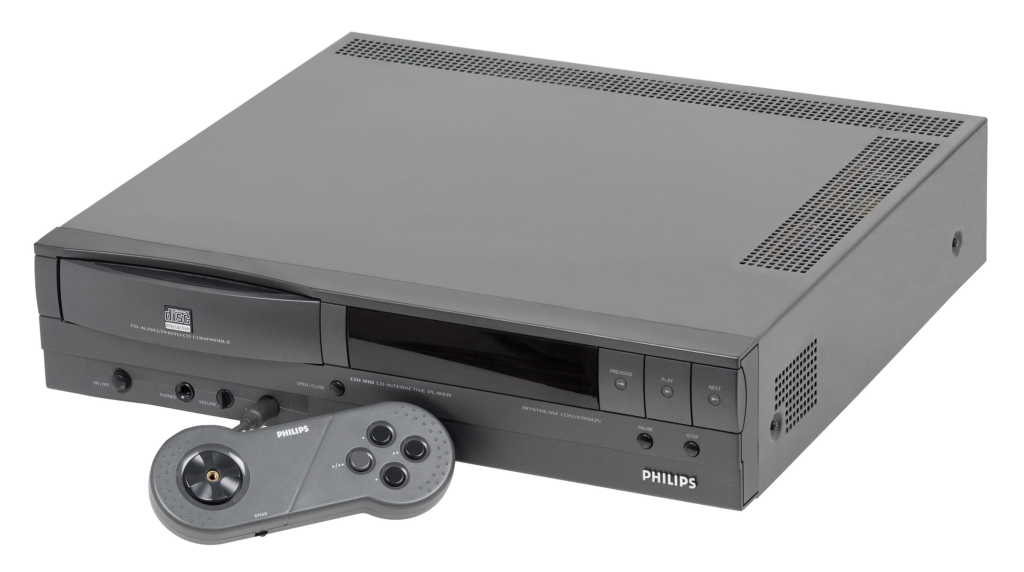
The Philips CD-i, launched in the early 1990s, was an ambitious multimedia console designed to combine gaming, education, and interactive video on a single platform. Despite its innovative concept and ability to play CDs, the system suffered from a high price, limited and often poorly designed game library, and underwhelming hardware performance. Its focus on multimedia content over gaming alienated core gamers, and many titles were criticized for low quality. As a result, the CD-i failed to gain significant market traction and is remembered more for its commercial failure than its technological innovations.
Sales: 200,000
Best Game: Burn:Cycle
Worst Game: Zelda’s Adventure (Dishonorable Mention: Zelda: The Wand of Gamelon, Link: The Faces of Evil)
6. Tiger Gizmondo (2004)
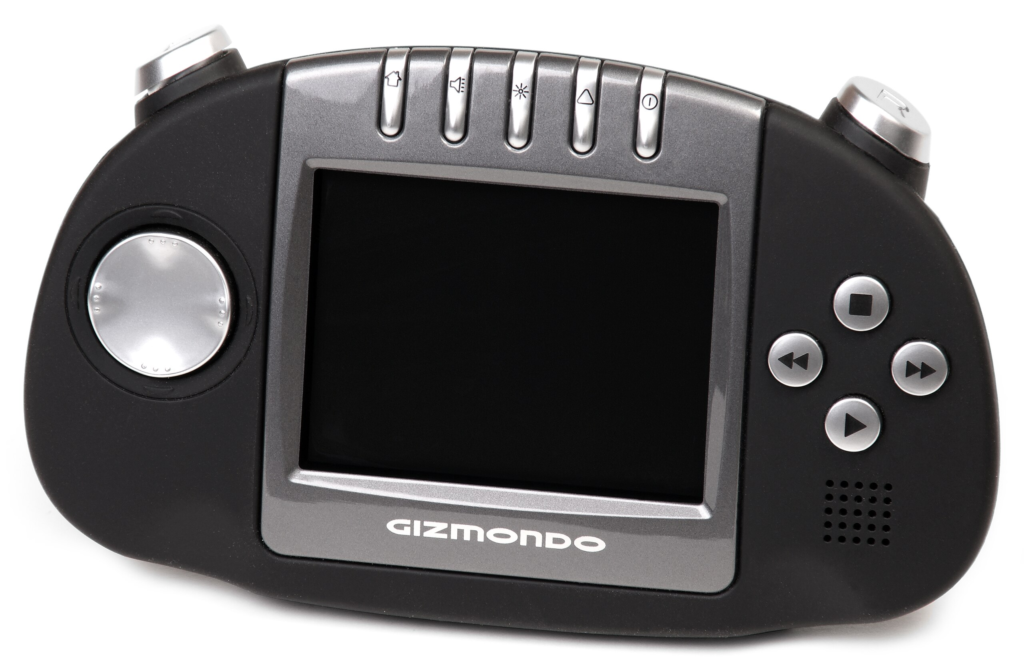
The Tiger Gizmondo, released in 2005, was a handheld gaming device that aimed to combine gaming, multimedia, and GPS functionality. However, it quickly became infamous for its poor design, limited and low-quality game library, and high price. Plagued by mismanagement and financial troubles within its parent company, Tiger Telematics, the Gizmondo failed to attract consumers and was discontinued within a year. Its commercial failure is often cited as one of the most spectacular flops in handheld gaming history.
Sales: 25,000
Best Game: Sticky Balls
Worst Game: Stuntcar Extreme
5. Apple Bandai Pippin (1996)
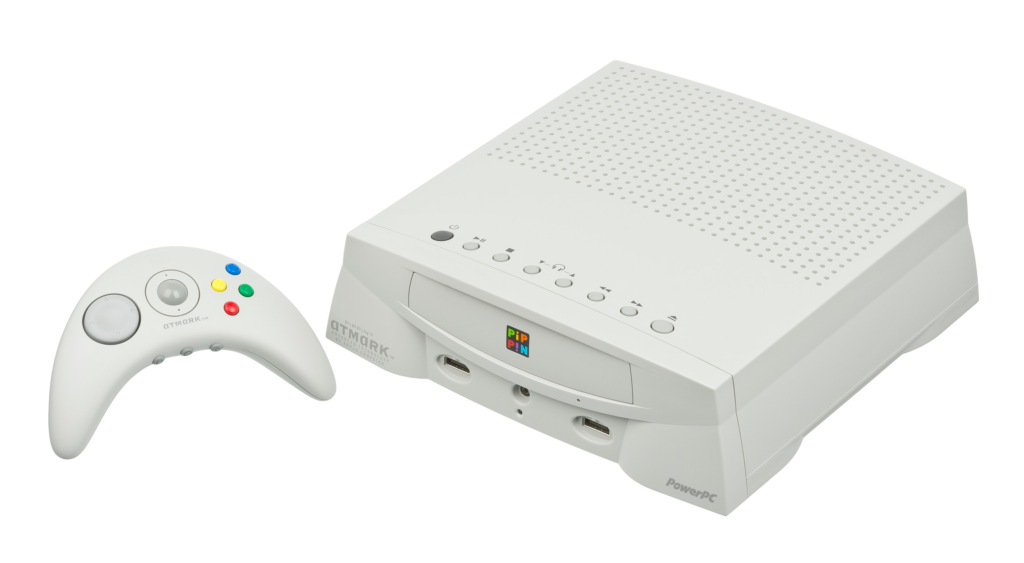
The Apple Bandai Pippin, released in the mid-1990s, was an ambitious attempt to blend a gaming console with a multimedia computer, aiming to carve out a unique niche in the market. However, its high price, limited game library, and underpowered hardware compared to competitors like the PlayStation and Nintendo 64 led to poor consumer interest. Additionally, unclear marketing and a lack of developer support further hampered its success. As a result, the Pippin sold very few units and is remembered as a commercial failure and a rare footnote in gaming history.
Sales: 50,000
Best Game: Super Marathon
Worst Game: Racing Days
4. 3DO Interactive Multiplayer (1993)
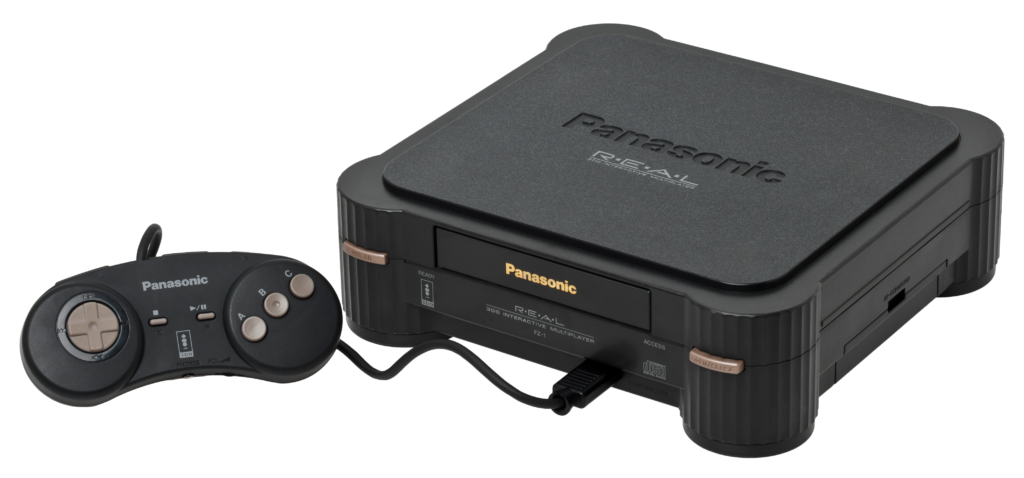
The 3DO, launched in 1993, was a groundbreaking console for its time, boasting advanced 32-bit graphics and a unique business model where multiple manufacturers could produce the hardware. However, its high price tag—around $700 at launch—deterred many consumers, especially when competing against more affordable systems like the Sega Genesis and Super Nintendo. Coupled with a lack of strong exclusive games and inconsistent third-party support, the 3DO struggled to find a foothold in the market. Despite its technical innovation, the 3DO ultimately failed commercially and was discontinued just a few years after release.
Sales: 1.38 to 2 Million
Best Game: Gex (Honorable Mention: Road Rash, Sewer Shark)
Worst Game: Plumbers Don’t Wear Ties
3. Sega 32X (1994)
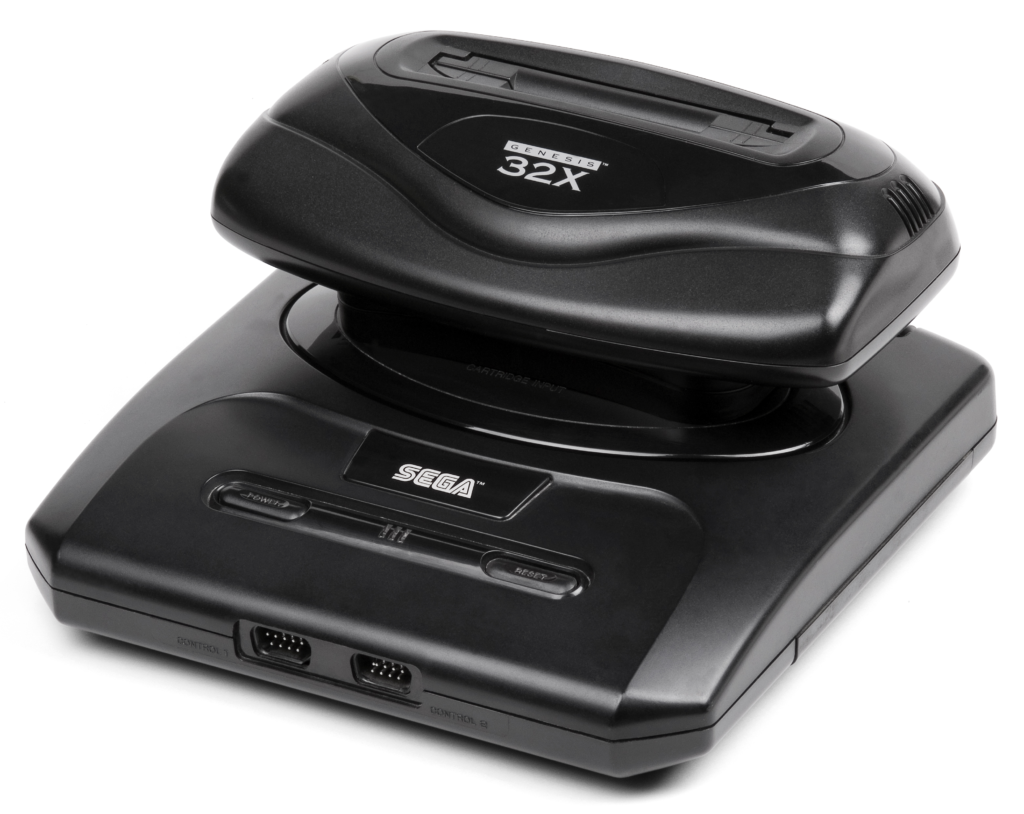
The Sega 32X, released in 1994 as an add-on for the Genesis/Mega Drive, was designed to extend the life of Sega’s popular console by offering 32-bit graphics and improved performance. However, the 32X suffered from poor timing—arriving just before the launch of the more advanced Sega Saturn—and confusion among consumers about its purpose. Its limited and underwhelming game library, combined with the extra cost of the add-on, led to weak sales. Ultimately, the 32X failed to gain traction and is often seen as a costly misstep that fragmented Sega’s audience and diluted their focus during a crucial transition period in gaming.
Sales: 800,000
Best Game: Virtua Fighter (Honorable Mention: Star Wars Arcade)
Worst Game: Metal Head
2. Atari Jaguar (1993)
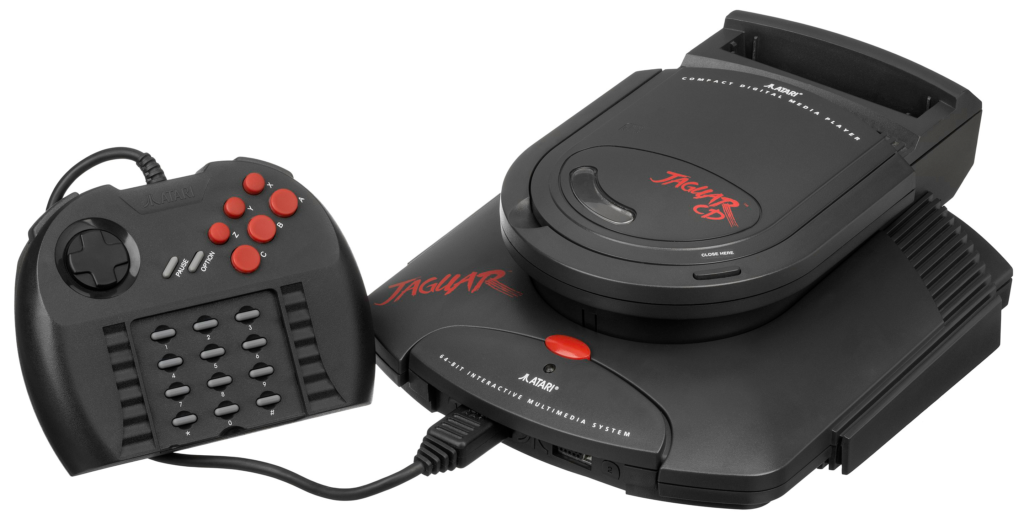
The Atari Jaguar, launched in 1993, was marketed as the world’s first 64-bit gaming console, aiming to leapfrog competitors with superior technology. However, despite its ambitious hardware, the Jaguar struggled due to a limited and low-quality game library, complex architecture that made development difficult, and weak marketing efforts. Its high price and confusing controller design further hindered adoption. As a result, the Jaguar failed to gain traction in the market, selling only around 250,000 to 300,000 units before being discontinued, marking one of Atari’s most notable commercial failures in the console wars.
Sales: 300,000
Best Game: Alien Vs Predator
Worst Game: Kasumi Ninja
1. Nintendo Virtual Boy (1995)
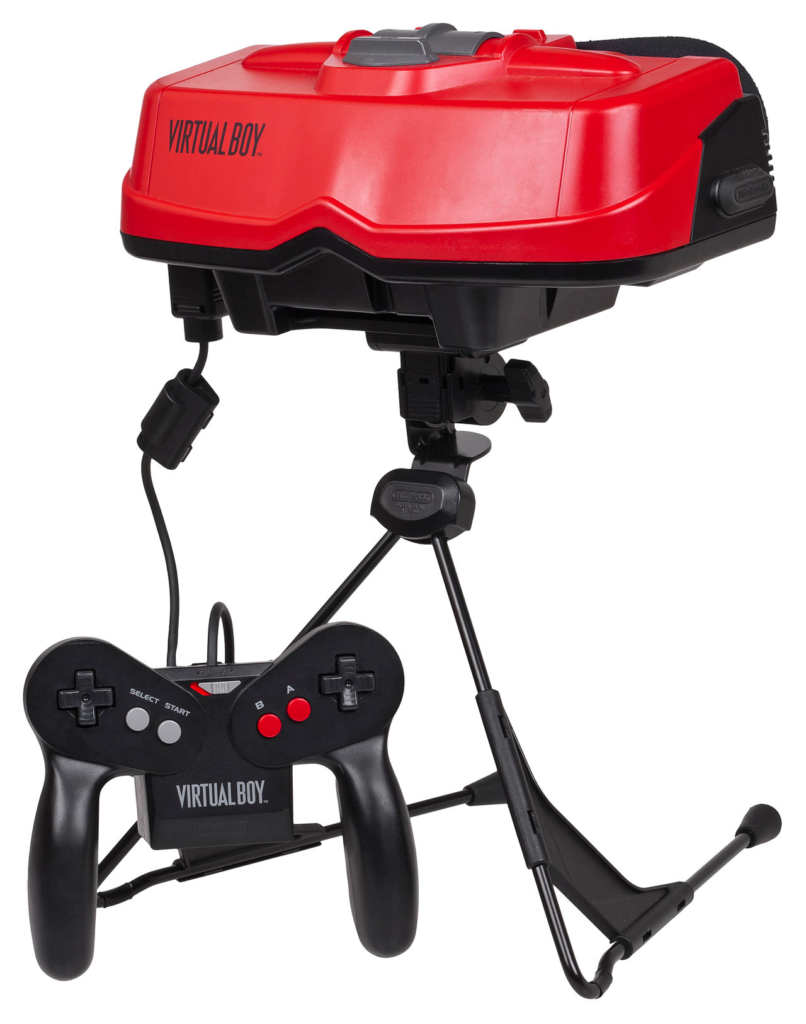
The Nintendo Virtual Boy, released in 1995, was an ambitious attempt to create a portable 3D gaming experience using stereoscopic visuals. However, the console quickly became notorious for its uncomfortable design, red-and-black monochrome display, and causing eye strain and headaches among players. Coupled with a limited game library, high price, and poor portability, the Virtual Boy failed to capture the market’s interest. Discontinued less than a year after launch, it is remembered as one of Nintendo’s biggest commercial missteps despite its innovative ideas.
Sales: 770,000
Best Game: Mario Tennis
Worst Game: Waterworld
Final Level: Lessons in Console Design
In the end, these consoles serve as reminders that in gaming, big ideas alone aren’t enough. Execution, timing, pricing, and player experience can make or break even the boldest concepts. While some of these systems have found cult followings among collectors and retro gaming enthusiasts, most remain cautionary tales in industry history. Still, each failure left behind lessons that helped shape the consoles we know and love today—proof that sometimes, you have to press “reset” before you can win the game.