Baseball’s Greatest Snubs: 10 Legends Still Waiting for Cooperstown
Every year, the Baseball Hall of Fame welcomes new legends into its storied halls—but some of the game’s most iconic figures remain curiously left out. Whether due to controversy, overlooked statistics, or shifting voter standards, these players have yet to receive baseball’s ultimate honor. In this list, we’re spotlighting ten of the greatest MLB stars who, despite their achievements on the field, are still waiting for their rightful place in Cooperstown.
10. Dwight Evans
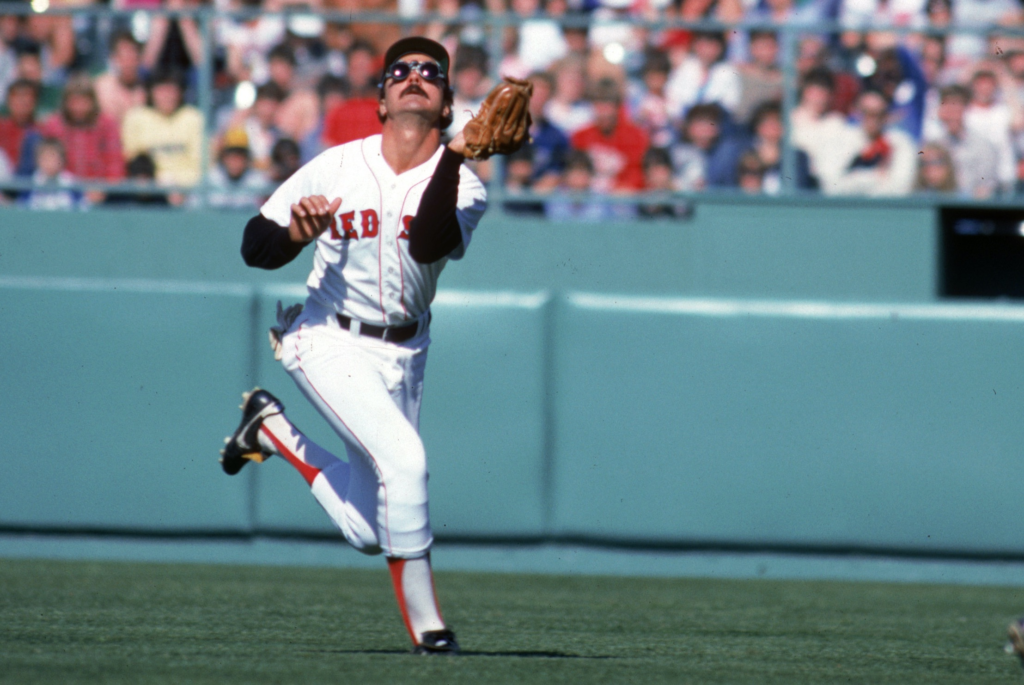
385 HR, 8 Gold Gloves, .370 OBP, 67.1 WAR
Dwight Evans was one of the most complete players of his time, combining power, patience, and defense. He won eight Gold Gloves in right field, hit 385 home runs, and posted a .370 career OBP. His advanced metrics—67.1 WAR and elite walk rates—paint the picture of a Hall-worthy player whose true value was ahead of its time. Evans deserves recognition not just for his stats, but for redefining what it meant to be a modern outfielder.
Potential Induction Class: 2026, via Contemporary Baseball Era Committee. Overall chance: 20-25%
9. Dale Murphy
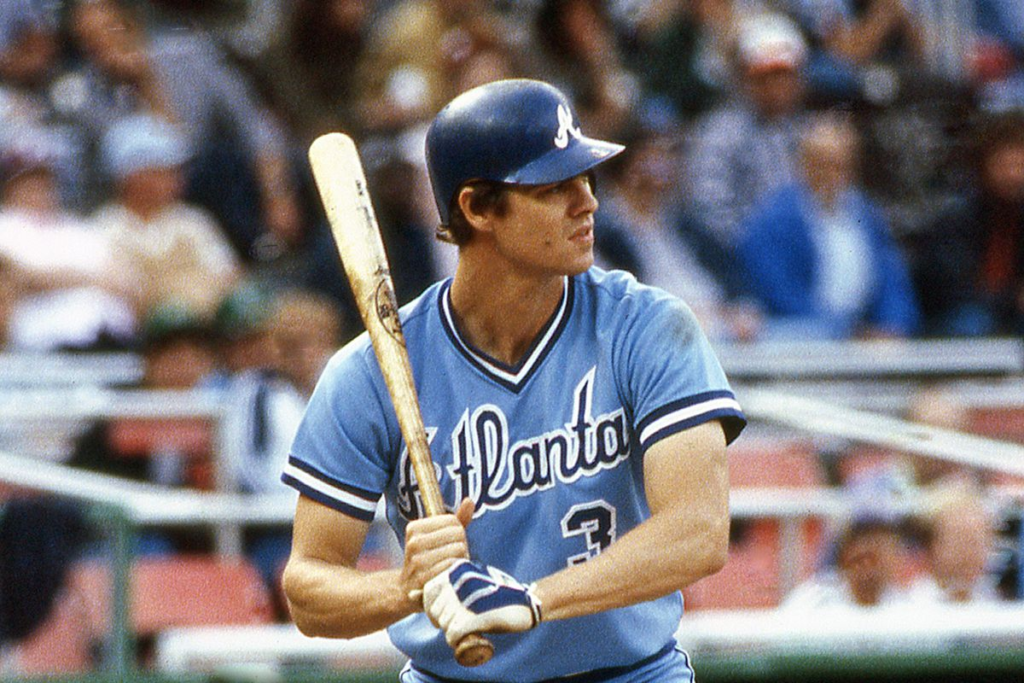
2 MVPs, 398 HR, 5 Gold Gloves
Dale Murphy was the face of the Braves during the 1980s, winning two MVP awards and five Gold Gloves while crushing 398 home runs. A model of integrity in an era later marred by PEDs, Murphy played the game the right way and was widely respected by teammates, opponents, and fans alike. Though his numbers declined late in his career, his dominant peak and character merit a spot in Cooperstown.
Potential Induction Class: 2026, via Contemporary Baseball Era Committee. Overall chance: 12-20%
8. Bobby Grich
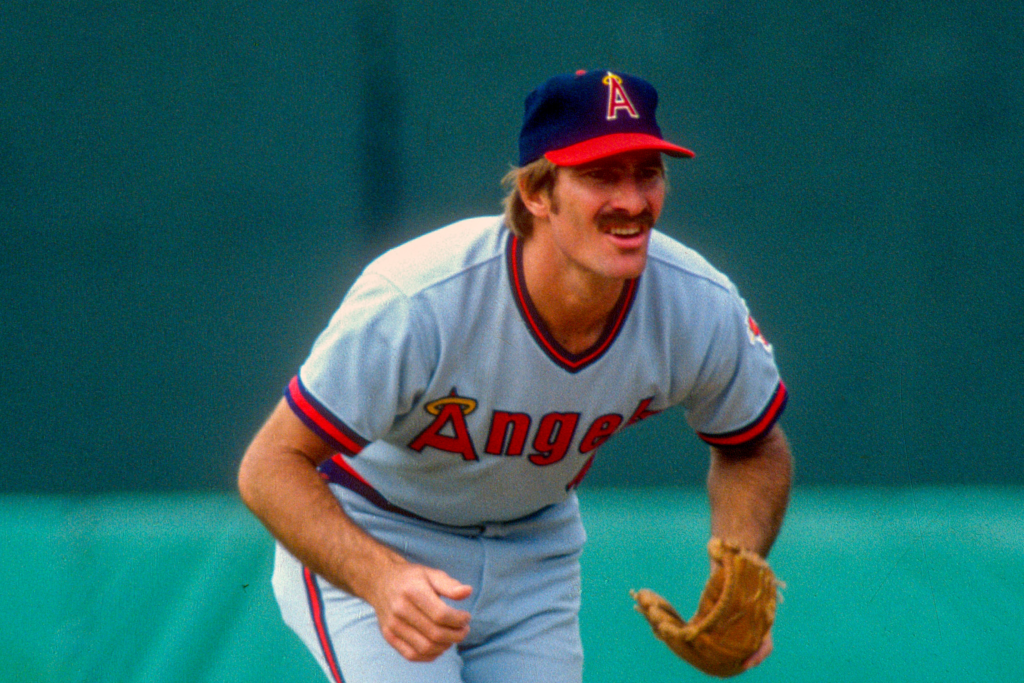
71 WAR, 4 Gold Gloves, .794 OPS
Bobby Grich was a defensive wizard at second base who also excelled offensively, finishing with a career WAR of 71. He combined power and patience at the plate long before such skills were widely valued, and he led the league in OPS+ in 1981. Grich’s low profile during his playing days belies his true value—now fully appreciated through advanced metrics. His exclusion is one of the Hall’s most glaring omissions.
Potential Induction Class: 2026, via Contemporary Baseball Era Committee. Overall chance: 3-8%
7. Kenny Lofton
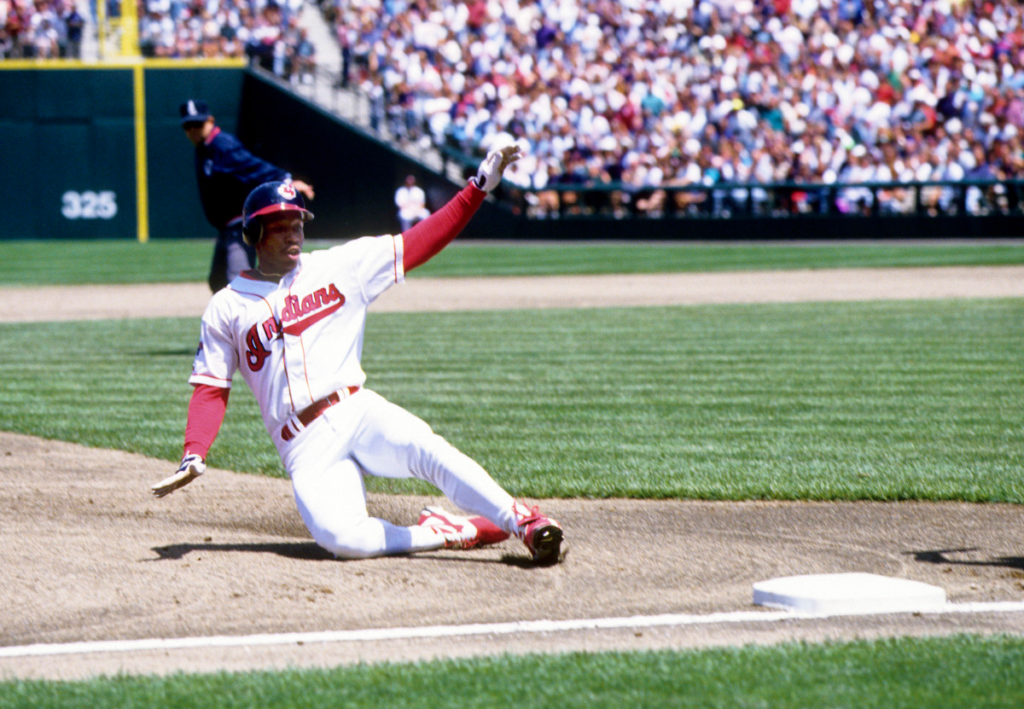
622 SB, 6 Gold Gloves, .372 OBP, 68.4 WAR
Kenny Lofton was a game-changing leadoff hitter and defender, stealing 622 bases and earning six Gold Gloves in center field. With a .372 career on-base percentage and nearly 70 WAR, he was a catalyst for multiple playoff teams and one of the most consistent players of the 1990s and early 2000s. Despite being dropped from the Hall ballot early, his elite combination of speed, defense, and production has gained renewed support from modern analysts.
Potential Induction Class: 2026, via Contemporary Baseball Era Committee. Overall chance: 10-15%
6. Lou Whitaker
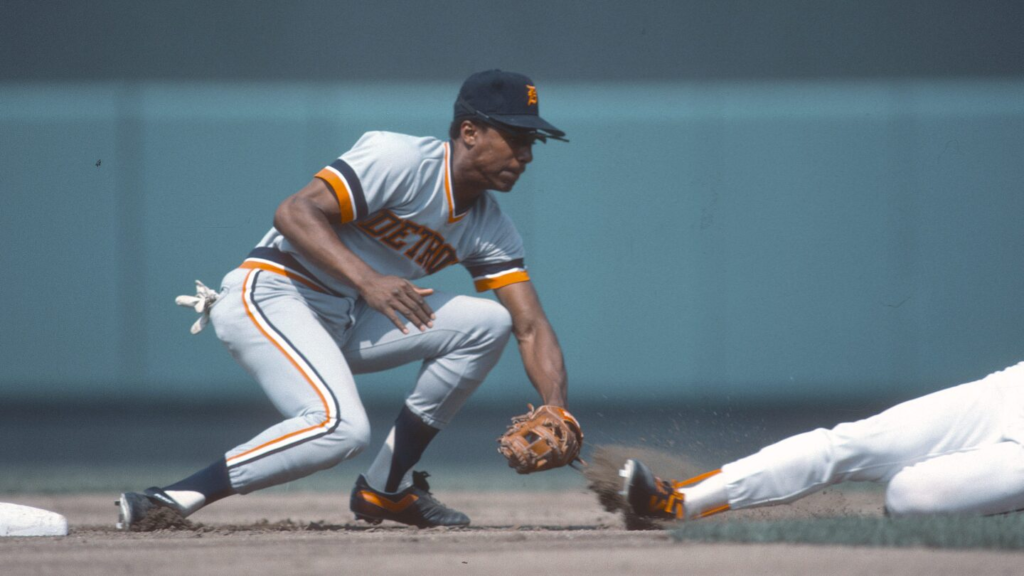
75.1 WAR, 3 Gold Gloves, 5 All-Star Games
Lou Whitaker was a cornerstone of the Detroit Tigers for nearly two decades, earning five All-Star nods, three Gold Gloves, and amassing 75.1 WAR—more than many Hall of Fame second basemen. His combination of power, defense, and plate discipline made him one of the most balanced players of his era. Overlooked during his first year on the ballot, Whitaker’s modern statistical profile makes a compelling case for his overdue induction.
Potential Induction Class: 2026, via Contemporary Baseball Era Committee. Overall chance: 10-15%
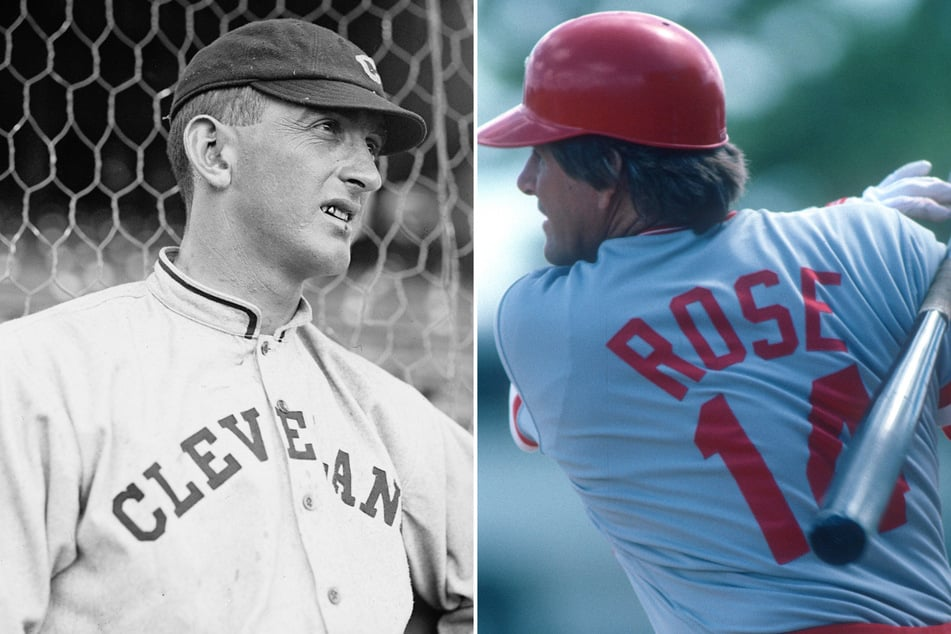
5. Shoeless Joe Jackson
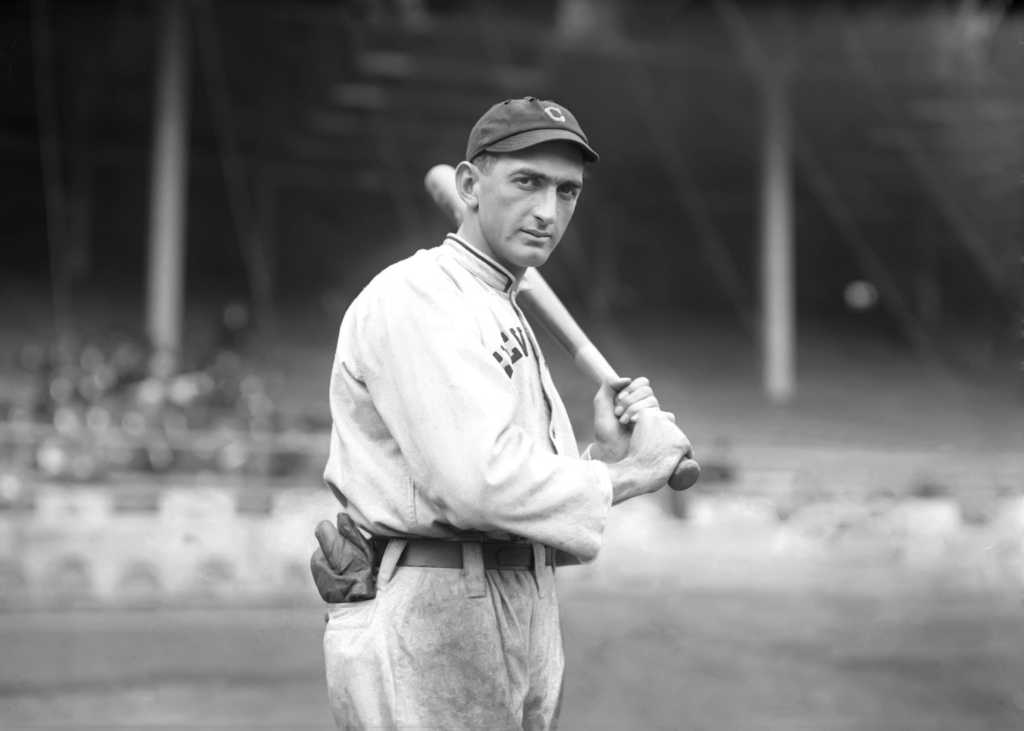
.356 career AVG (3rd all-time)
Shoeless Joe Jackson’s .356 career batting average remains third-best in MLB history, and he was one of the game’s earliest five-tool players. While he was banned following the 1919 Black Sox scandal, Jackson played brilliantly during that World Series—batting .375 with 12 hits and no errors. Many believe he was wrongfully implicated, and now that MLB has lifted his ban posthumously, the Hall has the opportunity to correct a historic injustice by honoring one of baseball’s original legends.
Potential Induction Class: 2028, via Contemporary Baseball Era Committee. Overall chance: 35-40%
4. Curt Schilling
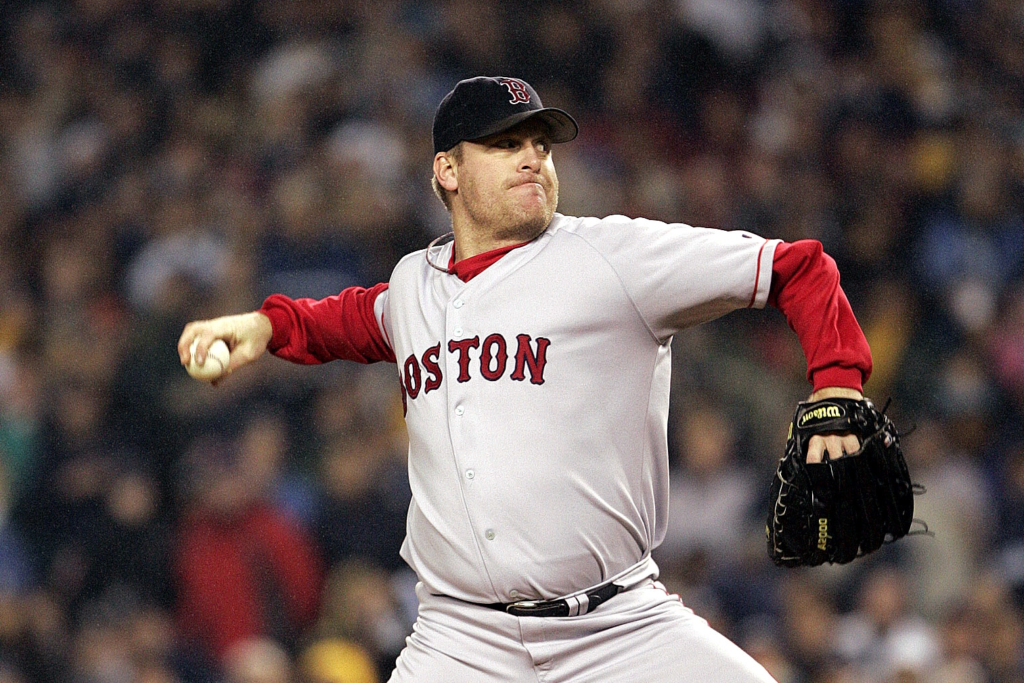
3,116 Ks, 11–2 postseason record, 79.5 WAR
Curt Schilling was one of the most clutch postseason pitchers ever, boasting an 11–2 playoff record and key roles in three World Series championships. He also logged over 3,000 strikeouts and a WAR nearing 80. Though his political views have sparked controversy, the Hall of Fame is a museum of baseball achievement—not personal ideology. His performance clearly meets the standard for induction.
Potential Induction Class: 2028, via Contemporary Baseball Era Committee. Overall chance: 12-16%
3. Pete Rose
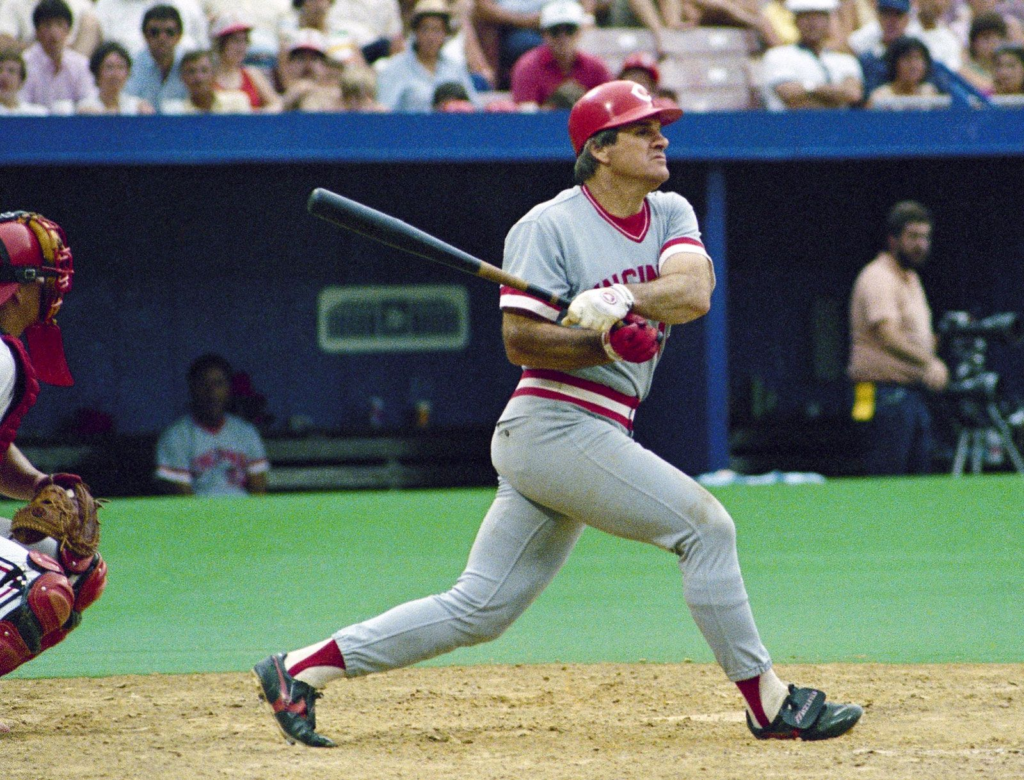
4,256 Hits (MLB Record), 17 All-Star selections
Pete Rose is the all-time MLB hits leader with 4,256 hits and played every game with unmatched hustle. A 17-time All-Star who won three World Series titles, Rose defined grit and consistency across multiple positions. Though banned for betting on baseball as a manager—not as a player—his achievements on the field are undeniable. With his 2025 reinstatement by MLB, there’s no longer a reason to deny him the honor his career deserves.
Potential Induction Class: 2028, via Contemporary Baseball Era Committee. Overall chance: 15-25%
2. Roger Clemens
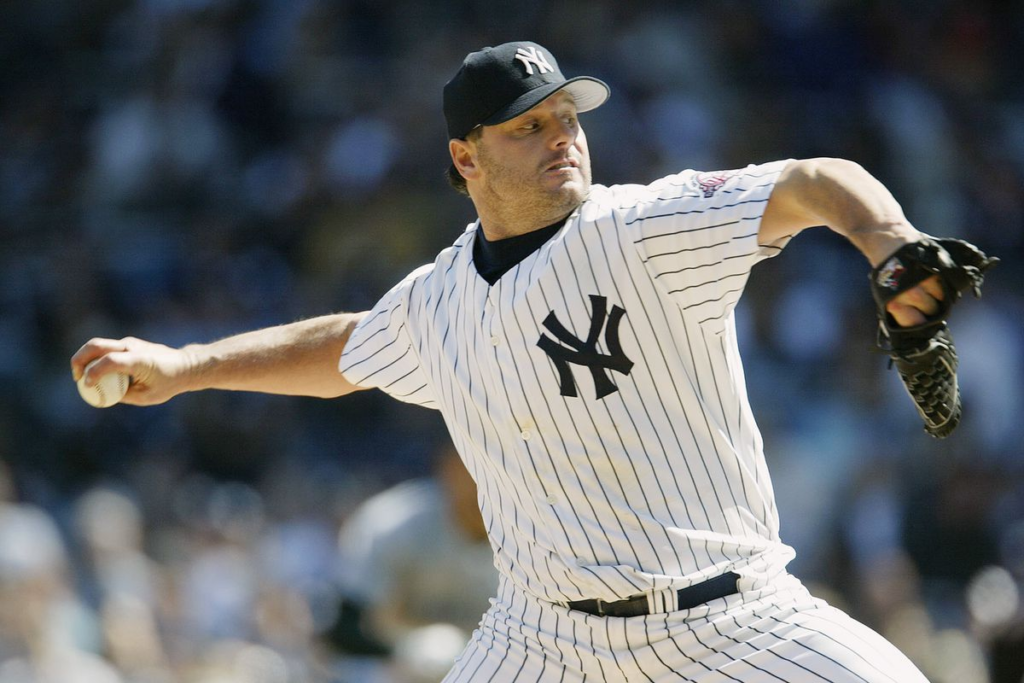
354 Wins, 7 Cy Youngs, 4,672 Ks, 139.2 WAR
Roger Clemens was a generational pitcher who won seven Cy Young Awards, racked up over 4,600 strikeouts, and posted a career WAR of 139.2. His dominance spanned over two decades, including standout performances in the postseason. Like Bonds, PED allegations cloud his legacy, but Clemens’ performance before suspicion arose was already Hall of Fame-worthy. Excluding such an elite competitor on circumstantial evidence sets a troubling precedent.
Potential Induction Class: 2028, via Contemporary Baseball Era Committee. Overall chance: 1-3%
1. Barry Bonds
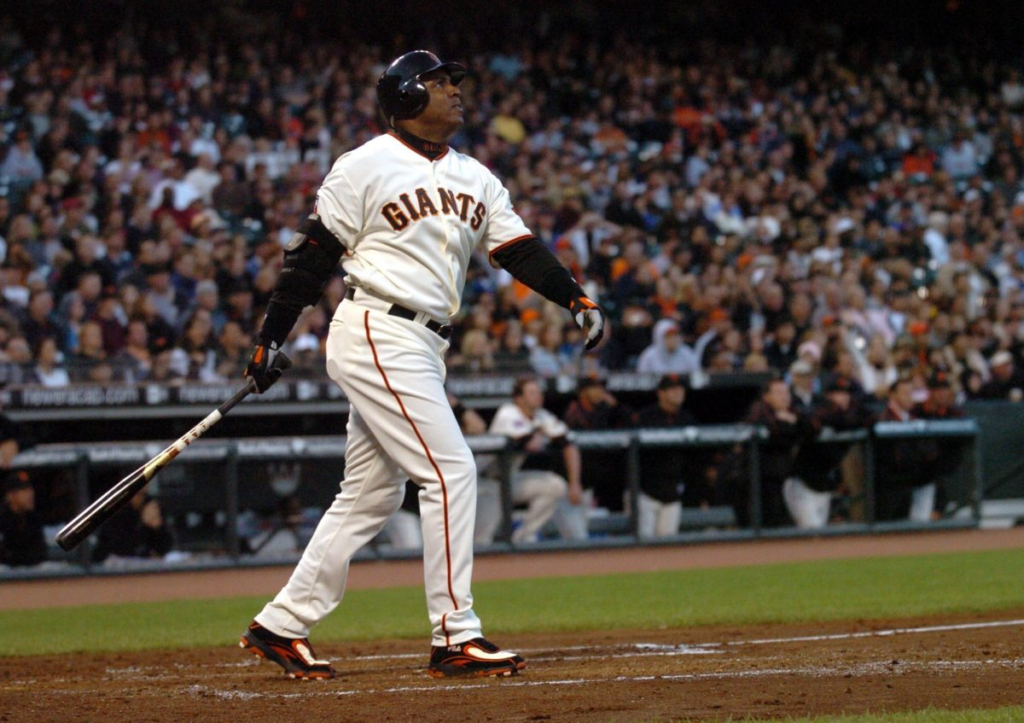
762 HR, 7 MVPs, 162.8 WAR
Barry Bonds is the most prolific hitter in baseball history, holding records for career (762) and single-season (73) home runs, seven MVP awards, and an unparalleled .444 career on-base percentage. His combination of power, plate discipline, and speed was unprecedented. Though linked to PED use, Bonds never failed an official MLB drug test and was a Hall of Famer before the steroid era ever began. Keeping the sport’s most statistically dominant player out undermines the Hall’s role in preserving baseball history.
Potential Induction Class: 2028, via Contemporary Baseball Era Committee. Overall chance: 1-5%